
Unusual Plants to Grow Indoors and Outdoors in Hydro
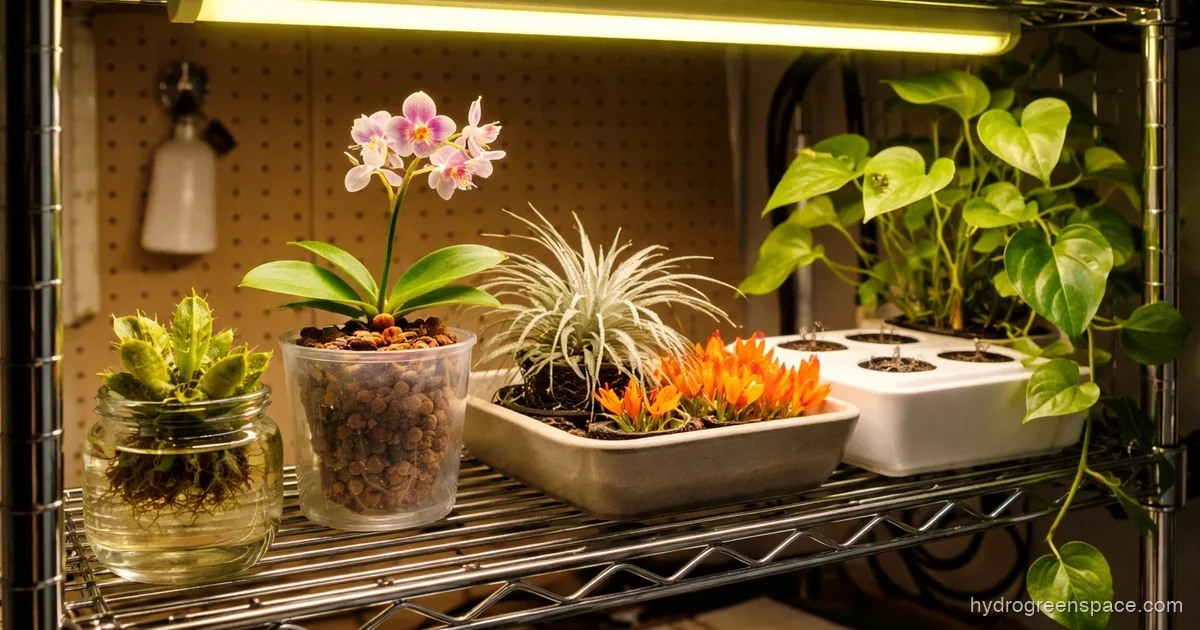
Most growers eventually hit a wall with lettuce and basil. They work, they’re reliable, and after your fifth consecutive harvest you start wondering: what else can this system do? There are unusual plants to grow indoors and outdoor that thrive in hydroponic setups, look genuinely strange, and give you stories to tell anyone who walks past your grow space.
The trick is knowing which ones actually work in water, which ones need a soil workaround, and which ones you can start inside under lights and move out to the garden once temps cooperate.
The Hydro-First Unusual Plants Worth Your Attention
If you’re already running a hydroponic system with grow lights, these are the ones I’d add first. They’re weird enough to be interesting, but not so fussy that you’ll regret trying them.
Venus Fly Traps
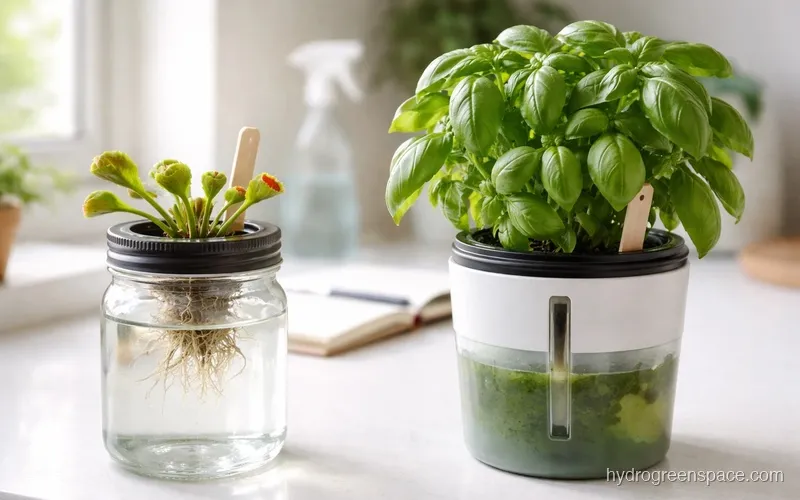
Yes, you can grow carnivorous plants hydroponically. The catch is that Venus fly traps need very low-nutrient water, distilled or reverse osmosis only. Standard nutrient solutions will burn them. The technique is a passive Kratky-style setup with plain water kept slightly acidic. They’re slow-growing but genuinely fascinating to watch, and they handle the transition to an outdoor container in summer without much drama.
If you want the full breakdown, there’s a dedicated guide on growing a hydroponic Venus fly trap that covers the water chemistry in detail.
Wasabi
Wasabi is one of those plants that most people assume is impossible to grow at home. It isn’t, but it is specific. It needs cool temperatures (around 50–70°F), high humidity, and moving water if you can manage it. NFT systems work well here because the thin film of flowing nutrient solution mimics the stream beds where wasabi grows naturally. The roots stay moist without sitting in standing water.
Growing hydroponic wasabi is genuinely achievable in a basement or cool garage setup. If you get it right, you’ll have real fresh wasabi, which tastes nothing like the green paste in sushi restaurants.
Saffron
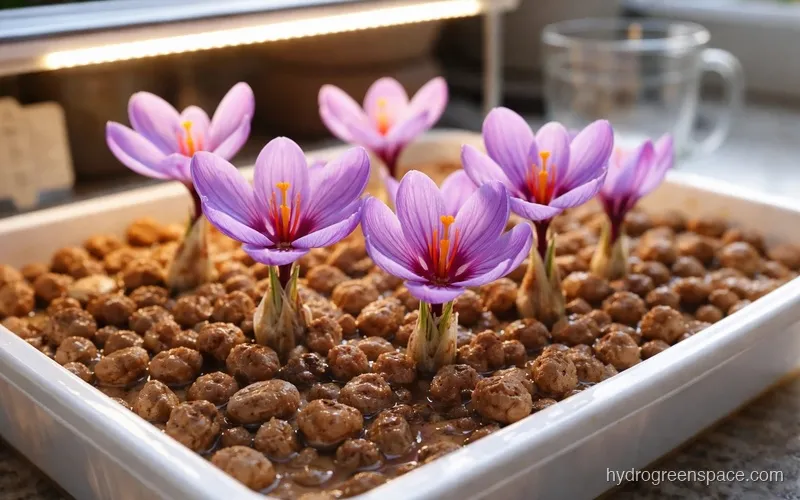
Saffron crocus is another one that surprises people. The corms grow well in a perlite or clay pebble medium with a dilute nutrient solution, and each flower produces those three crimson threads worth more per gram than gold by weight. You won’t retire on your harvest, but a small container of saffron crocus is a genuinely unusual edible plant to grow indoors under a grow light.
The seasonal angle works well here too. Start them indoors in late summer under lights, let them bloom and harvest the stigmas, then move the dormant corms to a cool outdoor spot for the summer. There’s more on the full process in this hydroponic saffron guide.
Unusual Plants That Work Better in Semi-Hydro or Containers
Not every weird plant wants to sit in a nutrient reservoir. Some of the most interesting options prefer semi-hydroponics, which uses an inert medium like leca (clay pebbles) with occasional watering rather than continuous submersion.
Orchids
Orchids look exotic and intimidating, but in a semi-hydroponic setup they’re actually more forgiving than in bark medium. The leca dries out between waterings and gives the roots air, which is exactly what orchids want. Phalaenopsis (moth orchids) are the easiest starting point. You’ll see more root activity, faster growth, and clearer watering signals because you can see the roots through the clear container.
Semi-hydroponics for orchids is its own subject worth reading into if you want the specifics on transitioning from bark.
Monstera
Monstera deliciosa is having a moment in the houseplant world, and it does surprisingly well in a water-growing setup. The key is keeping the lower stem nodes submerged while the leaves stay out of the water, refreshing the water weekly, and adding a very dilute nutrient solution once the roots establish. The fenestrations (those dramatic splits and holes in the leaves) develop as the plant matures, so this is a long-term grow but a visually striking one.
For details on water culture specifically, the hydroponic monstera guide covers the transition from soil and what to expect in the first few months.
Note
The Outdoor Crossover: Plants That Travel Well
The real advantage of starting unusual plants indoors is the extended season you get before moving them outside. Understanding what hydroponics actually is makes this dual-use approach obvious: you’re controlling the root environment completely, which means you can dial in the conditions indoors and then hand the plant off to natural conditions once it’s established.
Air Plants (Tillandsia)
Air plants don’t need soil or a reservoir. They pull moisture and nutrients from the air through their leaves and need only a misting or weekly soak. That makes them one of the easiest unusual indoor plants for beginners, and they’re genuinely strange-looking. Tillandsia ionantha, T. xerographica, and T. caput-medusae all have that extraterrestrial quality that stops visitors mid-sentence.
In warm months (above 50°F nights), many tillandsia species do well outdoors in a sheltered spot with filtered light. Bring them back inside before the first frost.
Edible Flowers
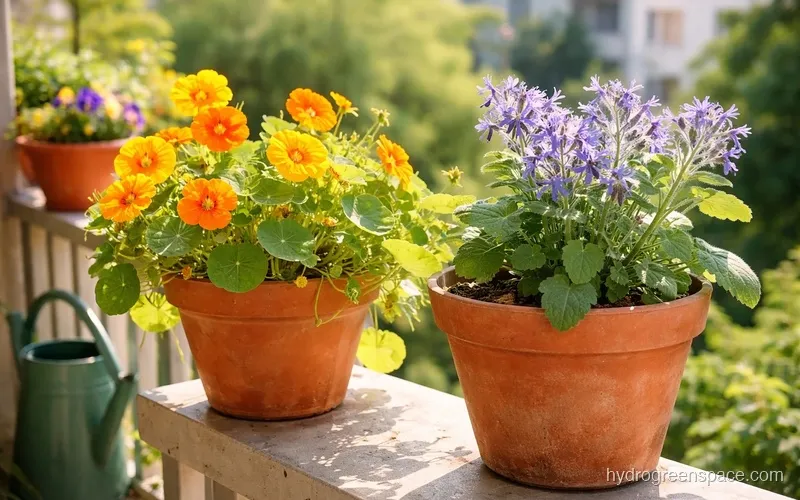
Nasturtiums, borage, and viola are all unusual edible plants to grow indoors under lights, and all three make the transition to outdoor containers without any drama. Nasturtiums especially are vigorous and fast, with peppery flowers that go directly into salads. Borage flowers taste faintly of cucumber and are a conversation piece every time.
These are also among the rare plants that work in a basic Kratky jar for the first few weeks indoors. Once they’re established, move them to a sunny balcony or garden bed. The balcony hydroponics setup guide has practical advice on making that indoor-to-outdoor move work without shocking your plants.
Unusual Vegetables Worth Trying
If your goal is edible harvests rather than ornamentals, there are a few cool plants to grow indoors that most growers overlook. Purple sweet potato leaves are edible and grow aggressively in a DWC bucket. Lemon balm is underrated for container hydro. Shiso (Japanese perilla) is fast-growing, unusual enough to get questions, and genuinely useful in the kitchen.
These all appear on the list of hydroponic vegetables worth growing at home if you want a broader starting point.
Getting a Beginner Setup Right for Unusual Plants
If you’re new to this and want to grow something genuinely interesting rather than defaulting to herbs, the best move is to start with a simple system and a forgiving plant. Monstera cuttings in water, air plants on a shelf, or nasturtiums in a Kratky jar are all low-stakes entry points.
The step-by-step process for building an indoor hydroponic garden covers the basics if you’re starting from scratch. Once you have a working system, adding an unusual plant is just a matter of adjusting your nutrient concentration or switching to plain water.
Note
Avoiding that mistake, along with a handful of other easy-to-make errors, is covered in this guide to common plant care mistakes.
A Few Unusual Plants That Work Better in Soil (and That’s Fine)
Cactus and succulents are often pitched as unusual indoor plants for beginners, but they genuinely do not belong in a water-based system. Cacti want dry roots and infrequent watering. You can grow them in a semi-arid container mix and they’ll do better for it. If you’re curious about the hydro angle anyway, the hydroponic cactus guide explains why it’s possible but what the tradeoffs are.
The same applies to many tropical houseplants that have adapted to well-draining soil. Exotic plants to grow at home like bird of paradise or fiddle-leaf fig prefer containers over water culture. That’s not a limitation, it’s just the right tool for the job.
The plants that will genuinely surprise you are the ones nobody expects: a wasabi root growing in a cool basement NFT channel, a saffron crocus blooming under a grow light in October, a Venus fly trap snapping shut over a fruit fly on a humid afternoon. If you want to go deeper on the ornamental side, the ornamental flowers in hydroponics pillar covers more unusual blooms worth growing. Start with one plant that makes you curious, get the water chemistry right, and the rest follows.