
Crop Rotation in Hydroponics: Does It Actually Work?
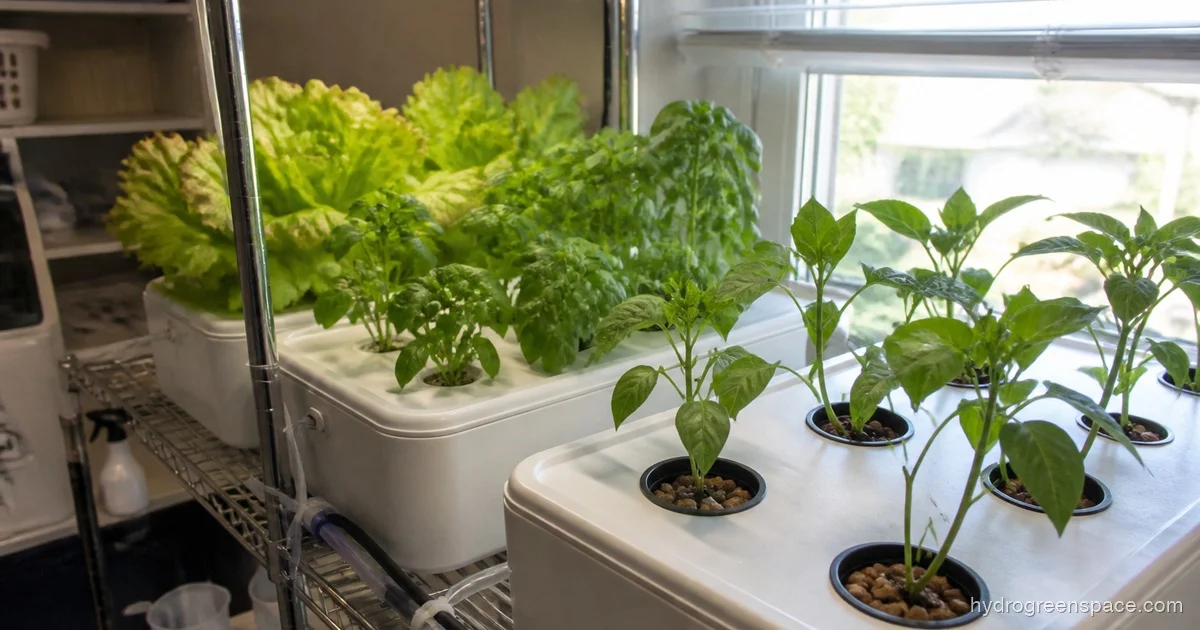
Crop rotation gets dismissed by a lot of hydroponic growers as a soil farming concept that doesn’t apply once you ditch the dirt. That’s a reasonable first instinct. The whole point of rotating crops in traditional farming is to restore soil biology and break pest cycles that live in the ground. None of that applies when your plants are growing in water, right?
Not quite. The concept translates, but the reasons shift. In a hydroponic system, rotation isn’t about soil health. It’s about managing nutrient solution balance, disrupting pest and disease cycles, and using your grow space more efficiently. If you’ve been running the same crop back-to-back in the same system without thinking about what comes next, this article will change how you plan your grows.
Does Crop Rotation Actually Apply to Hydroponics?
The classic argument against crop rotation in hydroponics: you already control nutrients directly, so there’s no depletion cycle to worry about. True. But that’s only one reason farmers rotate crops.
The other reasons matter just as much in a hydroponic setup:
Pest and disease pressure. Aphids, fungus gnats, spider mites, and root pathogens like Pythium all have host preferences. Run basil back-to-back in the same system and you give any resident pest population a perfect breeding environment. Swap in a different botanical family and you disrupt the cycle, as many pests simply can’t establish on a plant family they don’t prefer. This is the same logic behind rotating crops to reduce pest pressure in any growing system.
Pathogen buildup. Root rot is the silent killer in hydroponic systems, and Pythium spores can persist in reservoir walls, net pots, and tubing between grows. Running a full clean-out and switching crop families between cycles is one of the most effective ways to break that cycle before it becomes a problem.
Reservoir management. Heavy-feeding crops like tomatoes and peppers push your nutrient solution hard. After a long grow cycle, residual compounds can accumulate even after you flush. Starting fresh with a lighter feeder (lettuce, spinach, herbs) lets you reset cleanly before going back to heavy feeders. The timing of nutrient solution changes matters more than most growers realize.
Light and space efficiency. Short-cycle crops (lettuce, 30–40 days) and long-cycle crops (peppers, 90+ days) have very different space and light demands. Mixing them thoughtfully (or staggering them in sequence) keeps your system productive year-round instead of sitting half-empty between grows.
What Rotation Looks Like in a Hydroponic System
You’re not rotating the physical location of plants the way a field farmer rotates beds. In hydroponics, rotation means sequencing different crop families through the same system over time, with a clean-out between each cycle.
The key variable is botanical family. Different plant families have different nutrient uptake profiles, root architecture, and pest/disease relationships. Rotating across families gives you the most benefit.
Common hydroponic crop families to rotate through:
| Family | Crops | Cycle Length |
|---|---|---|
| Asteraceae (lettuce family) | Lettuce, endive, arugula | 30–45 days |
| Lamiaceae (mint family) | Basil, mint, oregano, thyme | 45–70 days |
| Brassicaceae (cabbage family) | Kale, bok choy, mustard greens | 40–60 days |
| Solanaceae (nightshade family) | Tomatoes, peppers, eggplant | 80–120 days |
| Cucurbitaceae (gourd family) | Cucumbers, zucchini | 60–90 days |
A simple rule for small systems: avoid running the same family back-to-back. If you just finished a lettuce run, go to basil or kale next rather than replanting lettuce immediately.
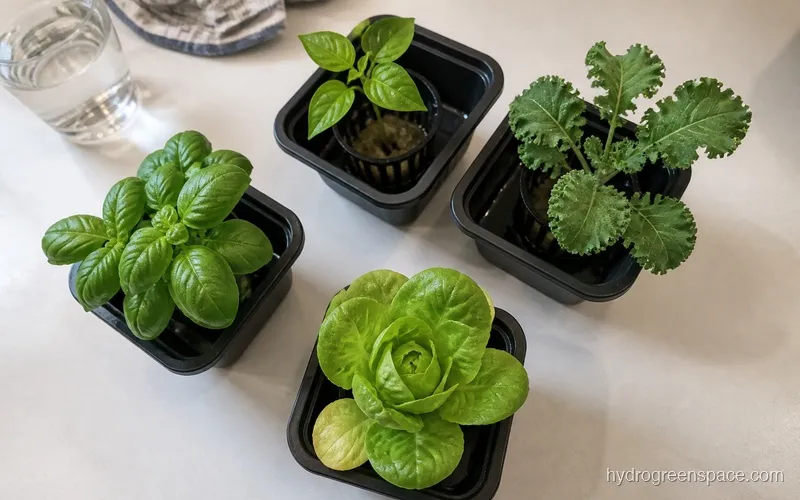
Crop Succession vs. Rotation: Not the Same Thing
These two terms get used interchangeably and they shouldn’t be.
Crop rotation = swapping between different plant families across grow cycles, with a gap (clean-out) between cycles.
Succession planting = staggering plantings of the same crop (or similar crops) so you have continuous harvests rather than one big flush. Succession planting is about production scheduling; rotation is about plant health and system maintenance.
Both strategies are valuable and they work together well. A succession planting approach keeps fast-cycling crops like lettuce flowing every 2 weeks, while a rotation strategy governs what comes after your lettuce run ends.
Tip: If your system has 6 or more sites, you can run succession planting and rotation simultaneously. Fill half the sites with a new seedling batch every 3 weeks, and when the system empties fully for a clean-out, rotate to a different crop family for the next full cycle.
The Clean-Out Protocol
Here’s what separates growers who actually benefit from rotation from those who just change what seed they plant next: the clean-out between cycles.
Running a new crop straight into a reservoir that still has residue from the last grow isn’t rotation. It’s just planting something different in a dirty system.
A proper clean-out between crop cycles:
- Harvest and remove all plant material, roots included. Root residue left in the system is a direct pathway for Pythium and algae.
- Drain and flush the reservoir. A full system flush removes nutrient salt buildup and resets the baseline.
- Sterilize all surfaces (net pots, reservoir walls, tubing, air stones). Hydrogen peroxide (3%) works well for most setups. Full guidance on sterilizing between rotations is worth reading before your first full reset.
- Clean the reservoir for algae. Even low-light systems accumulate algae in lines and fittings. Algae in the reservoir is easier to prevent than treat, and a rotation clean-out is your best window.
- Mix fresh nutrient solution. Don’t top off the old solution; start completely fresh. After a heavy-feeding crop, residual compounds in the reservoir can skew your new mix in ways that are hard to diagnose. Resetting your nutrient solution after heavy-feeding crops prevents cumulative EC drift.
What I’d do: Between cycles, I always run a 24–48 hour clean water flush through the system before mixing fresh nutrients. It’s a small extra step that pays back in consistently healthy root zones from week one of the new crop.
A Practical 3-Phase Rotation Template for Home Growers
This is designed for a small system with 4–12 sites and a single reservoir. Adjust the timing based on your actual crop selection. These are starting points, not rigid rules.
Phase 1: Fast Cycle, Weeks 1–6 (Lettuce or Herbs)
Start with the lightest feeders. Lettuce, spinach, arugula, or herbs like basil and cilantro. These crops clear the system fast, don’t stress your nutrient solution, and let you dial in any equipment or environment issues before committing to a longer grow.
Nutrient baseline: EC 1.0–1.8, pH 5.5–6.0.
Phase 2: Medium Cycle, Weeks 7–16 (Peppers, Kale, or Brassicas)
After the Phase 1 harvest and clean-out, move to a medium-cycle crop from a different botanical family. This is where you run kale, bok choy, peppers, or a similar crop that needs 6–10 weeks. The switch in plant family disrupts any pest populations that established during Phase 1.
Nutrient baseline: EC 1.8–2.4 for leafy brassicas, up to EC 2.8 for fruiting crops like peppers.
Pair this phase with heavier pruning and training if you’re running peppers or a bushy crop, since managing plant structure matters more in a medium-cycle crop than a fast-cycle one.
Phase 3: System Flush and Reset (2–4 Days Before Phase 1 Restarts)
This is not optional. Before you plant Phase 1 again, run the full clean-out protocol described above. This 3–4 day window is also a good time to rebuild beneficial biology by inoculating with beneficial bacteria before replanting.
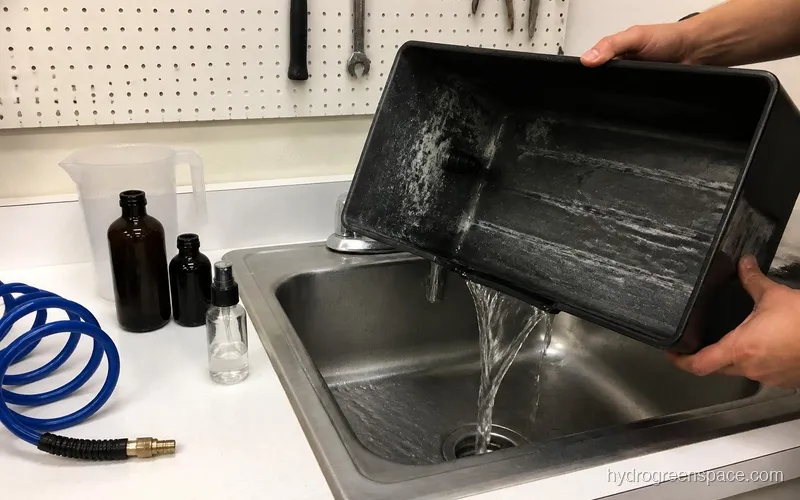
Rotation for Small vs. Larger Systems
The template above works best for a single-reservoir system with a small number of sites. Once you scale up, the strategy shifts.
1–6 sites (Kratky, small DWC, mini NFT): Full system rotations are practical. You can empty, clean, and reset the whole thing in a few hours. Stick to the 3-phase template.
6–20 sites (mid-scale NFT, larger DWC): Consider splitting your system into zones. Run Zone A through a lettuce cycle while Zone B runs peppers. When Zone A finishes, clean it out and replant with a different family. This keeps the system in continuous production rather than going fully offline for a clean-out. This is essentially a SOG-style approach adapted for rotation management.
20+ sites (commercial-scale): At this scale, formal production scheduling with overlapping crop cycles is standard practice. Each section of the system cycles independently on a staggered timeline.
Which Crops Pair Well Across Rotation Cycles?
Not every pairing is equal. Here’s what I’ve found works well in a home system:
High-performing rotations:
- Lettuce → Basil → Kale (all different families, all manageable in a small system)
- Herbs (Lamiaceae) → Peppers (Solanaceae) → Lettuce (light reset between heavy and light cycles)
- Brassicas → Herbs → Tomatoes (brassicas clean up well, herbs provide a light middle phase)
Pairings to avoid back-to-back:
- Tomatoes → Peppers (same Solanaceae family, shares pest and disease susceptibility)
- Basil → Mint (same Lamiaceae family, not harmful but misses the rotation benefit)
- Any fruiting crop → another fruiting crop without a clean-out (reservoir stress accumulates)
If you’re unsure what to grow next, the full list of hydroponic vegetables is a useful reference for seeing which families your options fall into.
One More Variable Worth Tracking
Keep a grow log. It sounds basic but it’s the single biggest differentiator between growers who improve fast and those who keep repeating the same mistakes. Note what you grew, what EC/pH you ran, what pests or problems showed up, and how the clean-out went. After two or three full rotation cycles, you’ll start seeing patterns: which crops perform best in your specific environment, which transitions tend to bring pest pressure, which family sequence keeps your reservoir cleanest.
That data is more valuable than any rotation template someone else writes for you, including this one. The template gives you a starting structure. Your grow log turns it into a system that actually fits your setup.
Once you’ve got a rotation rhythm going, layering in companion planting adds another dimension to pest management that works naturally alongside rotation rather than against it. Both fit into the broader advanced hydroponic techniques playbook for growers building a high-performance system over time.