
Understanding NPK Ratios for Hydroponic Plants
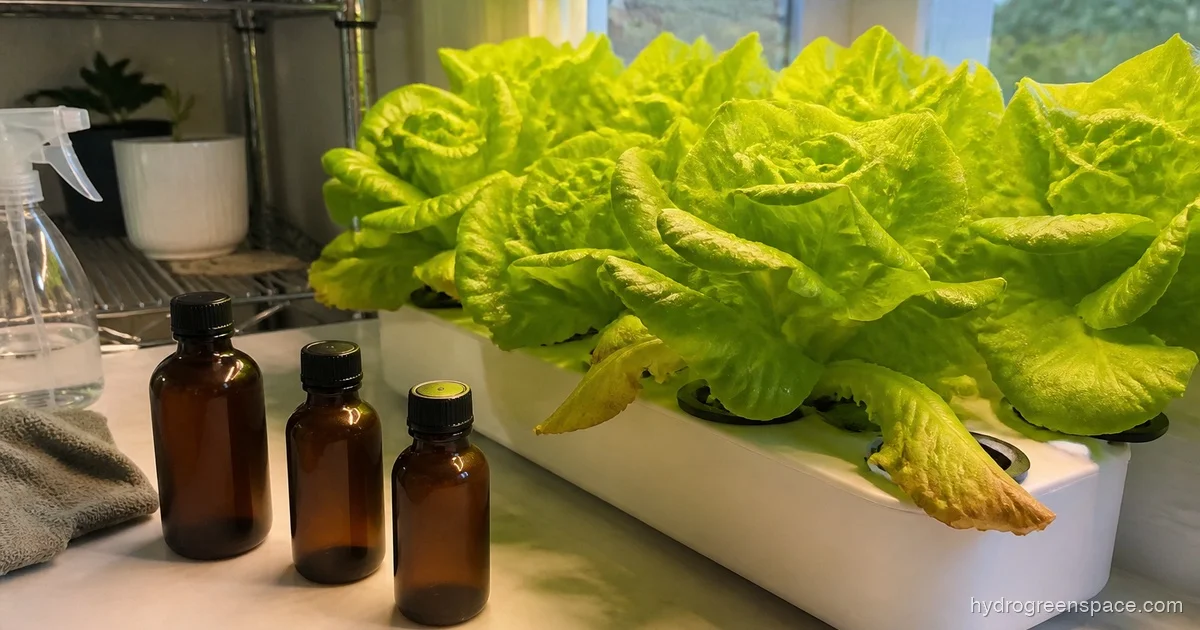
Pick up almost any bottle of hydroponic fertilizer and you’ll see three numbers on the label, something like 3-1-2, or 5-1-4, or 10-10-10. Those numbers are the NPK ratio, and if you don’t know how to read them, you’ll end up feeding your plants the wrong thing at the wrong time. This guide covers what each number means, why a “balanced” 1-1-1 fertilizer is actually wrong for most hydroponic plants, and exactly which NPK ratios to target for leafy greens, herbs, and fruiting vegetables at every stage of growth.
What NPK Actually Means
NPK stands for nitrogen (N), phosphorus (P), and potassium (K). These are the three primary macronutrients every plant needs to survive. The numbers on a nutrient bottle tell you the percentage of each nutrient by weight.
A bottle labeled 3-1-2 contains 3% nitrogen, 1% phosphorus, and 2% potassium. A bottle labeled 10-10-10 contains 10% of each. The first thing to understand is that these percentages describe the concentration of nutrients in the bottle itself, not what ends up in your reservoir. When you dilute to the recommended dose, the actual nutrient levels in your solution are much lower.
Nitrogen (N): The Growth Driver
Nitrogen is responsible for leafy, vegetative growth. It’s the building block of chlorophyll and amino acids. When nitrogen is high relative to the other nutrients, your plant puts energy into producing leaves, stems, and mass.
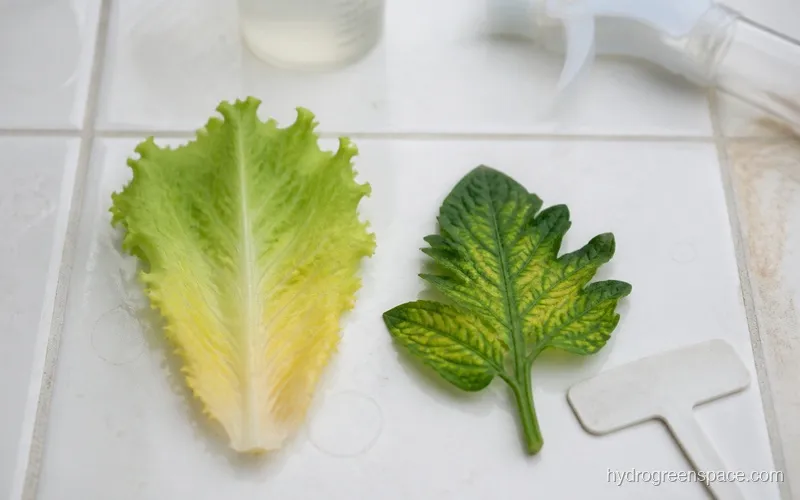
This is why high-nitrogen nutrients are ideal during the vegetative stage and for crops where you’re harvesting the leaves, like lettuce, spinach, and basil. If nitrogen drops too low, you’ll see yellowing leaves starting from the older growth first, a classic nitrogen deficiency.
Phosphorus (P): Root Development and Flowering
Phosphorus supports root development early on and becomes critical during flowering and fruiting. It’s involved in energy transfer within the plant (ATP synthesis), which is why plants need it when they’re doing heavy metabolic work, like forming flowers and setting fruit.
Here’s the catch: most hydroponic systems already deliver phosphorus very efficiently to roots, so plants rarely need as much phosphorus as the old “boost P for flowering” advice suggests. Excess phosphorus can actually trigger nutrient lockout by interfering with the plant’s ability to absorb zinc and iron.
Potassium (K): The Regulator
Potassium doesn’t build plant tissue directly, but it regulates almost every process: water movement through cells, enzyme activation, and the transport of sugars from leaves to fruit. During fruiting and late flower, potassium demand climbs significantly. A plant that’s short on potassium will produce weak stems, poor fruit quality, and lower yields.
The Ratio Concept: Why 3-1-2 Makes Sense
Plants don’t care about the absolute amount of each nutrient in isolation. They care about the relationship between nutrients. A 3-1-2 ratio and a 6-2-4 ratio are, nutritionally speaking, the same thing (they just differ in concentration). What matters is that nitrogen is three times the phosphorus level, and potassium is twice the phosphorus level.
The 3-1-2 ratio (or its equivalent) is widely considered the best NPK ratio for hydroponic plants during the vegetative stage because it mirrors how most plants actually absorb nutrients. Research into plant uptake consistently shows that plants use significantly more nitrogen and potassium than phosphorus. Feeding a 1-1-1 equal ratio doesn’t give the plant “balance.” It gives it way more phosphorus than it can use, which throws off the balance of other micronutrients in the process.
NPK Ratios by Growth Stage
The ratio you use should change as your plant moves through its life cycle. Here’s how to think about it:
Vegetative Stage
During vegetative growth, nitrogen should lead. A 3-1-2 or 4-1-2 ratio keeps leaf production fast without forcing premature flowering. This applies to most leafy greens for their entire life (they never leave vegetative growth) and to fruiting plants for their first 3-5 weeks.
Flowering and Fruiting Stage
Once flowers appear, you want to pull nitrogen back slightly and push potassium up. A ratio closer to 2-1-3 or 1-1-2 works well here. Some growers drop nitrogen even further during late fruiting (around 1-1-3) to encourage sugars to move into fruit rather than stay in leaves.
The phosphorus number rarely needs to change much between stages in a properly managed hydroponic system. The “PK boosters” sold as flowering additives are often more marketing than necessity, especially if your base nutrient is already well-formulated.
NPK Ratios for Different Plant Types
There’s no single best NPK ratio for all hydroponic plants. Here’s a practical breakdown:
| Plant Type | Vegetative NPK Ratio | Fruiting/Flowering NPK Ratio |
|---|---|---|
| Lettuce, spinach, kale | 3-1-2 | N/A (harvest before flowering) |
| Basil, cilantro, parsley | 3-1-2 to 4-1-2 | Reduce N slightly if bolting |
| Tomatoes, peppers | 3-1-2 | 2-1-3 |
| Cucumbers, zucchini | 3-1-2 | 2-1-3 |
| Strawberries | 2-1-2 | 1-1-2 |
| Cannabis (autoflowers) | 3-1-2 | 1-1-3 |
For a deep dive into leafy greens specifically, the right NPK ratios for hydroponic lettuce and leafy greens covers variety-by-variety recommendations with target EC ranges.
How to Read Two Bottles Side by Side
This is where beginners get tripped up. You’re standing in the garden center comparing two nutrient bottles, and one says 5-1-4 while the other says 10-2-8. Which one should you buy?
Convert both to their simplest ratio first. Divide each number by the smallest value:
- 5-1-4: Smallest is 1. Ratio is 5-1-4.
- 10-2-8: Smallest is 2. Divide through: 5-1-4.
They’re identical. The second bottle is just twice as concentrated. You’d use half as much of it to hit the same nutrient levels in your reservoir.
This also matters when you’re deciding between a one-part and two-part nutrient system. Two-part systems let you adjust the ratio by tweaking how much of each part you add, which gives you more flexibility to dial in the vegetative vs. fruiting balance. Mixing your own nutrient solution at home takes this even further.
What Happens When NPK Is Wrong
An imbalanced NPK ratio doesn’t always cause immediate, obvious problems. That’s what makes it tricky.
Too much nitrogen in late flower leads to excessive leaf production, poor fruit set, and soft, watery fruit that doesn’t store well. Too little nitrogen during vegetative growth stunts plants and causes the yellowing that beginners often misdiagnose as iron deficiency.
Too much phosphorus locks out zinc and iron, causing interveinal chlorosis (yellowing between leaf veins) that looks like a micronutrient deficiency. You add more iron, it doesn’t fix it, and you end up with an ever-worsening spiral. The real fix is backing off the phosphorus.
The NPK ratio is just one piece of the picture. Even a perfectly calibrated ratio can cause nutrient burn if your overall concentration is too high. That’s where EC and PPM come in. Your EC chart for hydroponics tells you whether your total nutrient concentration is appropriate for the plant and growth stage, while the NPK ratio tells you whether the nutrients you’re delivering are in the right proportions.
Putting It Together: Building Your Nutrient Plan
Understanding NPK ratios is really about understanding what your plant needs at each stage and matching that to the nutrients you’re providing. The key principles:
- Use a 3-1-2 (or close) ratio for most crops during vegetative growth
- Shift potassium higher and nitrogen lower once flowering begins
- Compare nutrient products by ratio, not by absolute numbers
- Keep track of your EC/PPM (the General Hydroponics PPM chart is a reliable reference if you’re using their line)
- If something looks wrong, check the ratio first before adding more nutrients
Once you’ve got the NPK side dialed in, the next layer is understanding the micronutrients that work alongside these three: iron, calcium, magnesium, and the rest. They don’t show up in the big three numbers on the label, but they absolutely affect how well your plants can actually use the NPK you’re giving them. That’s covered in depth in the guide to micronutrients in hydroponics. For the complete framework, from choosing a nutrient formula to managing your reservoir across a full grow cycle, the hydroponic nutrients guide covers all the pieces together.