
Micronutrients in Hydroponics: Fix Deficiencies Fast
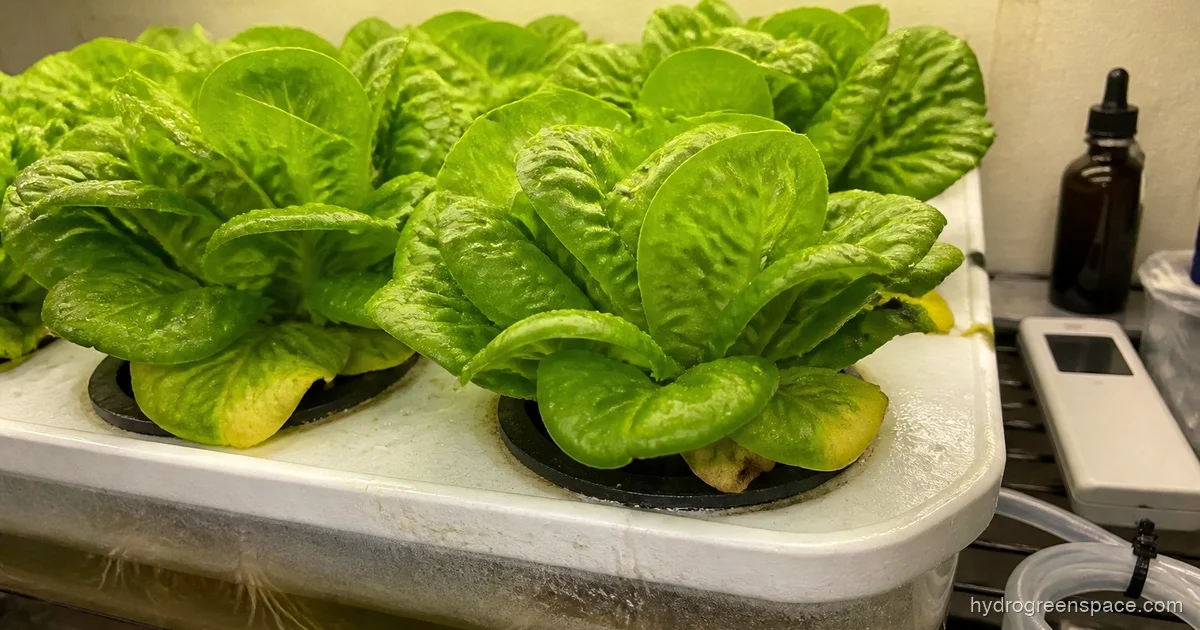
Your plants are yellowing, the new growth looks washed out, and you’ve already checked your nitrogen, phosphorus, and potassium. The macros look fine. What gives? Nine times out of ten, the answer is either a micronutrient problem or, more likely, a pH problem that’s making micronutrients unavailable. Understanding the difference between those two scenarios will save you a lot of expensive guesswork.
Micronutrients are the trace elements your plants need in small amounts to run the chemical processes that keep them alive. They don’t build bulk like nitrogen does, but without them, enzyme systems fail, chlorophyll can’t form, and growth stalls in specific, diagnosable patterns. If you’ve been chasing deficiency symptoms by dumping in more nutrient solution, this guide will help you slow down and actually fix the root cause.
The Real Reason Most “Deficiencies” Aren’t Deficiencies
Before running through each micronutrient, here’s the single most useful thing you can know: most apparent micronutrient deficiencies in hydroponics are actually nutrient lockout caused by pH drift. The nutrients are physically present in your reservoir, but your plant roots can’t absorb them because the pH is outside the absorption window.
Micronutrients are especially sensitive to pH compared to the macros. Iron, manganese, and zinc all become essentially unavailable above pH 7.0. Boron locks out below pH 5.5. The entire micronutrient window sits between pH 5.5 and 6.5, with the sweet spot around 5.8 to 6.2. If you’re seeing strange symptoms, check your pH first. Fix that before you add anything to your reservoir. For a deeper look at how pH swings cause these issues, see nutrient lockout: when pH blocks absorption.
What I’d do: Before diagnosing any deficiency, pull a pH reading from your reservoir and a runoff reading from your growing medium if you’re using one. If either reading is outside 5.5–6.5, correct the pH and wait 48 hours before concluding there’s a true deficiency.
What Each Micronutrient Actually Does
Here’s what each of the seven core trace elements does, what goes wrong when it’s missing, and how to fix it.
Iron (Fe)
Iron is the most commonly deficient micronutrient in hydroponic systems, and it’s almost always a pH problem rather than a lack of iron in your solution. It drives chlorophyll production and is required for the enzyme systems that handle photosynthesis and respiration.
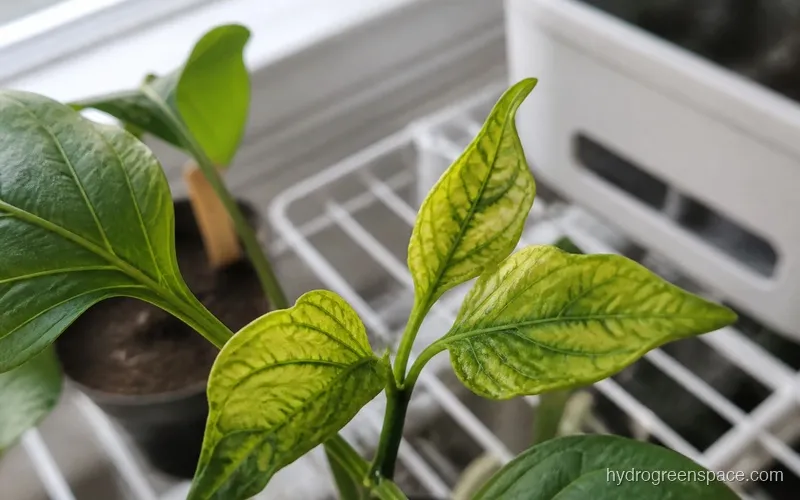
Deficiency symptoms: Interveinal chlorosis on young leaves (the area between the veins turns yellow while the veins themselves stay green). This is the signature pattern for iron and manganese deficiency both. The fact that it hits new growth first is the tell for iron, since iron doesn’t move easily within the plant.
Fix: First, check pH. If pH is above 6.5, bring it down. If pH is already correct, your iron may not be in a chelated form. Chelated iron (labeled EDTA or DTPA on nutrient products) stays soluble across a wider pH range than unchelated iron sulfate. DTPA chelates hold up better at slightly higher pH levels; EDTA works well in the 5.5–6.5 range where most growers operate. If your nutrient line uses non-chelated iron, you’ll see this problem more often. The connection between yellowing leaves caused by iron or manganese deficiency and pH is direct enough that most growers catch it once they start tracking pH consistently.
Manganese (Mn)
Manganese works alongside iron in photosynthesis and plays a role in nitrogen metabolism. It’s also immobile in the plant, so deficiency symptoms appear on new growth first, just like iron.
Deficiency symptoms: Interveinal chlorosis on young leaves, similar to iron deficiency but often with a slightly brownish or tan tint to the yellowed areas rather than clean yellow. Checking which nutrient locks out at your current pH can help separate the two.
Fix: Same protocol as iron: pH correction first. Manganese lockout is most common above pH 6.5. If pH is correct and you’re still seeing symptoms, a quality complete micronutrient supplement will address it without risking toxicity.
Zinc (Zn)
Zinc is required for the synthesis of auxins (growth hormones), enzyme activation, and protein formation. Without enough of it, plants lose the ability to form new cell tissue properly.
Deficiency symptoms: Stunted internodes (short distances between leaves), small distorted new leaves, and mottled chlorosis on young tissue. Zinc deficiency often creates a “little leaf” appearance where new growth stays disproportionately small.
Fix: pH correction, then trace supplementation if needed. Zinc is available across the full hydroponic pH range if you’re in the 5.5–6.5 window, so persistent zinc deficiency usually points to a depleted reservoir that hasn’t been refreshed or a nutrient formula missing proper zinc chelation.
Boron (B)
Boron is critical for cell wall formation, root tip development, and moving sugars from leaves to the rest of the plant. It’s one of the few micronutrients that can lock out from pH being too low (below 5.5) rather than too high.
Deficiency symptoms: Distorted, thick, or brittle new leaves. Root tips may turn brown and stop elongating. Hollow stems in fruiting plants. Boron deficiency in hydroponics is less common than iron or manganese issues, but it hits hard when it happens because it directly impairs root growth.
Fix: Keep pH above 5.5. If you’re running an aggressive low-pH system (some growers dip to 5.3–5.4 intentionally), watch for boron symptoms. A small dose of boric acid or a complete micro supplement will resolve it. Don’t overdose, because boron toxicity is real and harder to fix than the deficiency. If you’re supplementing boron separately, use a measured dose from a diluted solution — adding concentrated boron directly to a small reservoir can push plants toward toxicity faster than you’d expect.
Copper (Cu)
Copper activates enzymes involved in lignin synthesis (which gives stems structural strength) and plays a role in photosynthesis. Deficiency is uncommon in most commercial nutrient lines.
Deficiency symptoms: Wilting of new growth even when water supply is adequate, bluish-green discoloration on young leaves, and eventually leaf curl. Because copper deficiency is rare in hydro, if you’re seeing these symptoms suspect pH first and cross-check with your nutrient formula.
Fix: A complete nutrient line with chelated micronutrients will typically cover copper. Copper is also easy to over-apply, and copper toxicity (dark green stunted plants, brown roots) is more common than copper deficiency in most home setups.
Molybdenum (Mo)
Molybdenum is needed in tiny amounts but it’s essential for converting nitrate into ammonia within the plant, which is the form plants actually use to build proteins. Without it, plants struggle to use the nitrogen you’re supplying even if EC and PPM look fine.
Deficiency symptoms: Pale, cupped leaves (sometimes called “whiptail” in brassicas), starting with older leaves because molybdenum is mobile. Edges may scorch. The leaf cupping and general paleness can look like nitrogen stress.
Fix: Molybdenum is most available at higher pH levels (6.0–7.0). If you’re running low pH and seeing molybdenum-style symptoms, bringing pH up slightly toward 6.0–6.2 can solve it without adding more nutrients. It’s included in virtually all complete nutrient formulas at adequate levels.
Chlorine (Cl)
Chlorine is needed in small amounts for osmotic regulation and as part of the photosynthetic oxygen-splitting reaction. In practice, chlorine deficiency in hydroponics is essentially nonexistent because municipal tap water contains enough chloride to meet plant needs. If you’re using RO water, your nutrient concentrate will still supply the trace amount required.
Do Commercial Nutrients Already Cover Micronutrients?
For most growers using a reputable complete nutrient line, the answer is yes. Products like General Hydroponics Flora Series, Maxigro/Maxibloom, and Masterblend 4-18-38 and its micronutrient coverage include chelated iron, manganese, zinc, boron, copper, and molybdenum in ratios designed for hydroponic applications. If you’re following a full feeding schedule that includes micronutrients and maintaining proper pH, you shouldn’t need to add anything separately.
The situation where separate micronutrient supplementation makes sense:
- You’re using a two-part or single-part base formula that’s light on trace elements (some budget formulas cut corners here)
- You’re making your own nutrient solution at home from individual salts and need to source a separate micro package
- You’re running a long crop cycle (8+ weeks) and haven’t refreshed your reservoir, allowing trace elements to deplete while macros remain
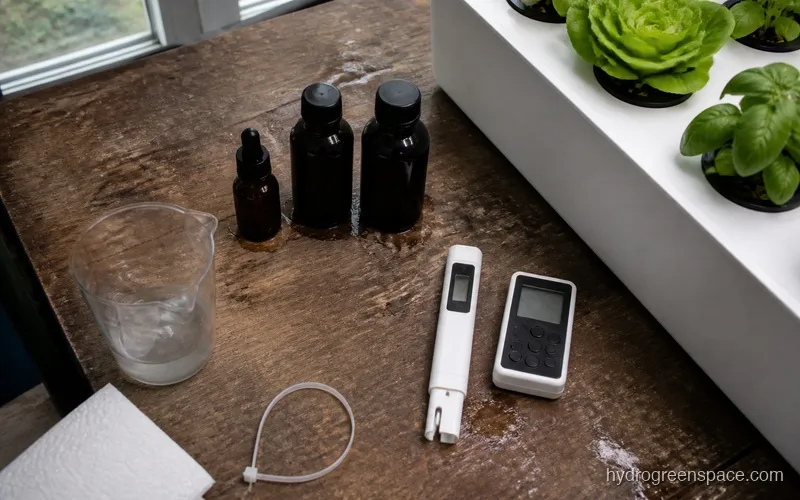
For the last scenario, the tell is that you’ll see micronutrient symptoms late in a crop even though your EC is still in range. Macronutrients replenish when you top off with fresh solution; micros can drift out of balance over time. Monitoring EC levels in your reservoir keeps your macros in check, but it won’t tell you specifically if your trace elements are depleted, which is one of the key reasons to change out your full reservoir on a schedule rather than topping off indefinitely.
Can Too Many Micronutrients Hurt Plants?
Yes, and it’s worth taking seriously. Trace element toxicity is uncommon when you’re using a complete nutrient line as directed, but it becomes a real risk if you’re stacking a complete formula with a separate micro supplement on top. Iron and copper toxicity both produce distinctive symptoms, and once your medium or reservoir is loaded with excess trace elements, flushing it out takes time.
If you notice dark green stunted leaves, brown root tips, or burnt edges across multiple plants simultaneously (not one or two), overdose is more likely than deficiency. Check symptoms of nutrient burn from overdosing and pull back before adding more.
Tip: When adding a new micronutrient supplement to your routine, start at half the recommended dose and observe for a week before going full strength. Trace elements accumulate, and it’s much easier to add more than to fix a toxicity.
Understanding the NPK ratios in your nutrient solution gives you the macro picture, but micronutrients are what fill in the gaps, the difference between a plant that grows and a plant that thrives. Once you’ve locked in your pH management and confirmed your nutrient line covers the full trace element spectrum, most of the deficiency problems you’ve been chasing will stop appearing. The next time something does look off, you’ll know exactly where to start. For a complete overview of how micro and macronutrients fit into your full feeding strategy, the hydroponic nutrients guide covers everything from choosing a nutrient line to reservoir management.